How to Plan Time Off for Wisdom Teeth Removal in Oxnard CA
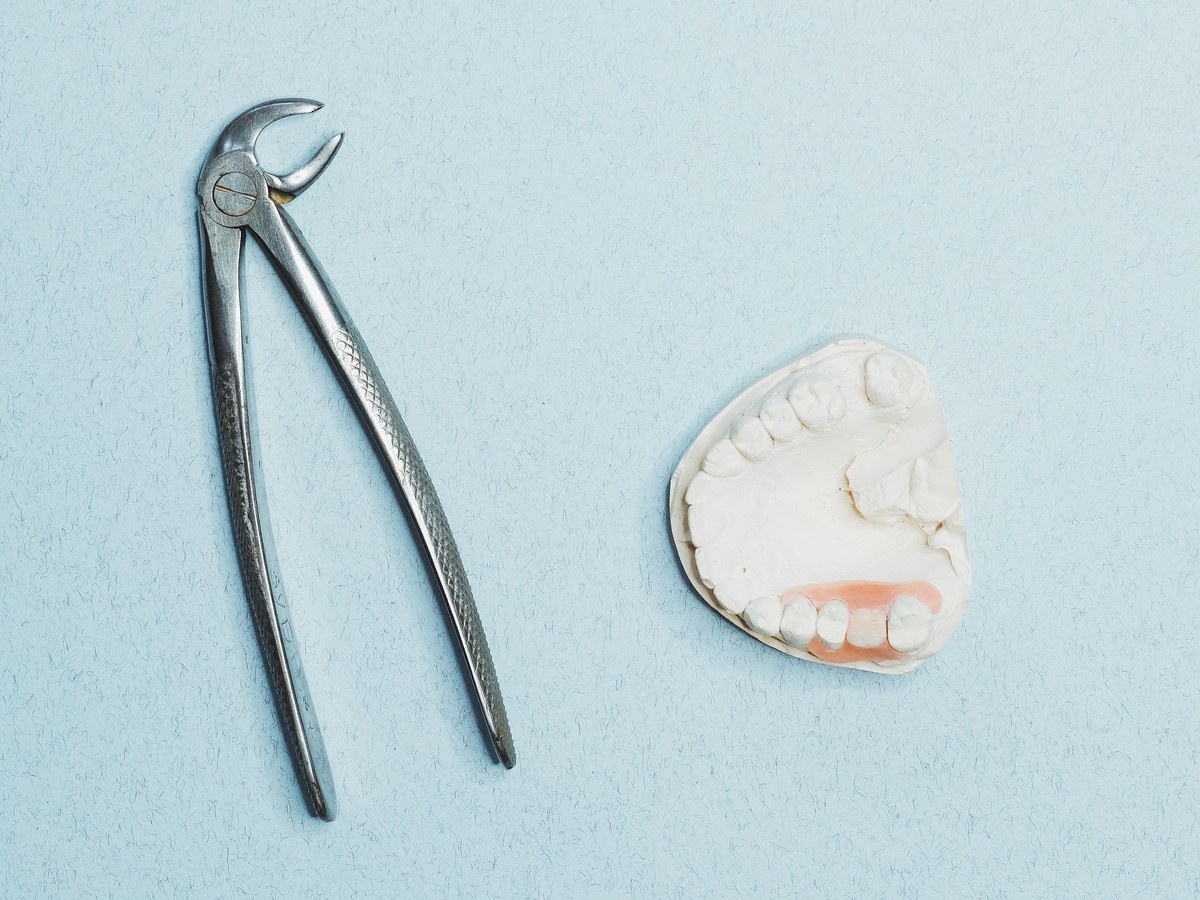
Taking time off for wisdom teeth removal sounds simple until you start matching recovery advice with real life. Work schedules, class attendance, childcare, commute time, prescription pickup, and the question everyone asks too late, “How long will I actually be out?” all come into play. If you are planning Wisdom Teeth Removal Oxnard CA, the procedure itself is only one part of the equation. The more practical challenge is building a recovery window that protects your health without creating unnecessary stress at home or on the job.
Most people do better when they treat this as a short medical leave, not a quick errand squeezed into a busy week. Wisdom teeth extraction can range from fairly straightforward to moderately disruptive, especially when the teeth are impacted, angled, partially erupted, or already inflamed. Some patients bounce back quickly. Others need several days before they can speak comfortably, eat normally, or focus well enough to return to routine work.
That variability is the reason planning matters. It is also why generic advice like “take a day or two off” often falls short. A college student with a light online schedule, a warehouse worker lifting heavy boxes, and a front desk professional who talks all day are not facing the same recovery demands. Good planning starts with your actual procedure, your actual responsibilities, and a realistic understanding of how healing tends to unfold.
Recovery time is not one-size-fits-all
When people ask how much time they should take off, what they usually want is a clean number. One day. Two days. Back by Monday. The problem is that oral surgery rarely behaves that neatly. The amount of downtime depends on several factors, including how many wisdom teeth are being removed, whether the teeth are fully erupted or impacted, whether bone removal is involved, and how your body tends to respond to swelling and discomfort.
A simple extraction of one erupted tooth can be a very different experience from the surgical removal of four impacted wisdom teeth. Sedation also matters. If you are receiving IV sedation or general anesthesia, you will need someone to drive you home and stay aware of instructions after surgery. Even if you feel “fine” later that day, you may still be groggy, less coordinated, and not ready to make decisions, work remotely, or manage a full day of responsibilities.
There is also the issue of delayed swelling. Many patients expect the worst to happen immediately after surgery, but in practice, swelling often peaks around the second or third day. That catches people off guard. They take only the procedure day off, assume they can work the next morning, then wake up stiff, puffy, tired, and unable to eat much more than yogurt or soup. In a clinical setting, that pattern is common enough that experienced staff often warn patients about it ahead of time.
If you are scheduling Wisdom Teeth Removal Oxnard CA, ask your oral surgeon’s office to describe your expected recovery based on your X-rays and treatment plan, not based on averages from the internet. That personalized answer is far more useful than broad estimates.
The best days to schedule surgery
For many people, Thursday or Friday works best, especially if they have weekends off. That setup gives you a built-in buffer without using as much paid time off. If your job is physically demanding, even better, because it creates space for the most restrictive part of healing when lifting, bending, and repetitive movement should be limited.
That said, a weekend strategy is not always ideal. Some patients prefer early in the week because they have better access to pharmacy hours, caregiver support, or post-op follow-up if questions come up. Parents often choose school-day scheduling so they can recover before the weekend household rush starts. College students may plan around exams, labs, or speaking-heavy presentations.
The strongest scheduling choice is the one that gives you at least two things: a quiet first 24 hours and enough flexibility for a slower-than-expected recovery. If you must decide between using one extra personal day or forcing yourself back too soon, the extra day usually pays for itself in comfort and fewer complications.
Match your time off to the kind of work you do
The same surgery can affect two people very differently based on what their jobs require. A software developer working quietly from home may be able to resume light tasks sooner than a restaurant server, dental assistant, retail manager, or delivery driver. Pain is only part of the picture. Talking, facial swelling, medication side effects, and activity restrictions can all interfere with performance.
Jobs that often require more recovery time include physically active roles, customer-facing positions, and work involving public speaking or constant phone use. If you are in construction, warehouse operations, landscaping, healthcare support, hospitality, or food service, there is a fair chance you will need more than a single day away. Bending over, lifting, rushing, and talking continuously can increase discomfort and make the first few days more difficult.
Office work is not automatically easy either. Some patients underestimate how distracting throbbing pain, poor sleep, and limited eating can be. It is hard to be productive in meetings when your jaw feels tight and you are counting the minutes until the next ice pack session. If you plan to work remotely soon after surgery, treat that as a backup option, not a promise to your employer before you know how you feel.
A realistic planning window for most adults
There is no perfect formula, but in everyday practice, a practical planning window often looks like this:
- Reserve the day of surgery completely.
- Keep the following day clear if possible, especially after sedation or multiple extractions.
- Add one to two more days of flexibility if your job is physical, public-facing, or difficult to do while tired.
- Avoid major events, travel, or important presentations for at least several days.
- If you can arrange a four-day recovery block, you are less likely to feel rushed.
That does not mean everyone needs four full days in bed. It means most adults appreciate having that margin. Some use only part of it. Others need all of it. The key is that recovery tends to go more smoothly when your calendar is not stacked against you.
Why the first 72 hours deserve respect
The most common planning mistake is assuming the procedure day is the only day that matters. In reality, the first three days often determine whether recovery feels manageable or chaotic. Bleeding, swelling, soreness, medication timing, hydration, and limited food intake all demand more attention than many first-time patients expect.
The first evening is usually about rest, gauze changes if instructed, fluids, and keeping your head elevated. The next day can feel deceptively stable for some people, but it can also bring fatigue and increasing facial swelling. By day two or three, your body is actively healing, and that is often when discomfort is most noticeable. If you return to normal activity too early, you can end up more swollen, more sore, and more frustrated.
This is especially relevant if you are worried about dry socket and other healing setbacks. No one can eliminate every risk, but giving yourself proper downtime, following instructions, and avoiding unnecessary exertion helps. People who plan a full recovery window generally find it easier to stay compliant with post-op guidance.
What to tell your employer, manager, or professor
You do not need to overexplain. Wisdom teeth removal is a common oral surgery, and most workplaces and schools have seen this before. Clear notice, reasonable expectations, and a simple recovery buffer go a long way.
If you have a formal HR process, start there. If not, tell your supervisor you are having oral surgery and may need a few days away depending on your surgeon’s recommendations. If you know your role is hard to cover, give notice early. It is far easier to arrange schedules in advance than to call out again because swelling peaked later than expected.
For students, the same principle applies. If your surgery falls near exams, clinical hours, labs, or presentations, contact instructors ahead of time. Most faculty respond better to early communication than last-minute scrambling. If accommodations might be needed, ask your surgeon’s office what documentation they can provide.
One pattern that comes up often is the patient who says, “I’ll probably be back tomorrow unless something weird happens.” That usually creates unnecessary pressure. A better approach is to say you expect to return after a short recovery period, but you are allowing for medical guidance and the possibility of a standard postoperative course.
The hidden logistics people forget
A smooth recovery depends on small details that are easy to miss until you are home and uncomfortable. The planning is not only about time off from work. It is also about reducing avoidable errands during the first few days.
Transportation is the first obvious issue. If you are having sedation, assume you will need a reliable adult to drive you home. In many offices, rideshare services are not considered an acceptable substitute after sedation unless a responsible adult is also involved. Confirm that policy well before surgery day.
Medication pickup is another one. Waiting until after surgery to discover the pharmacy is closed, out of stock, or across town is a miserable way to spend the evening. If your prescriptions can be sent in early, ask. It also helps to have soft foods and cold packs ready before your appointment, not after.
Childcare and pet care matter more than people expect. Even a very independent child still needs meals, rides, and attention. Dogs still need walking. Toddlers still want to be picked up. Recovery goes better when someone else can absorb the heavier responsibilities for at least the first day or two.
Plan your home setup before you leave for surgery
You do not need to turn your bedroom into a recovery suite, but a little preparation makes a noticeable difference. Set out pillows so you can rest with your head elevated. Clear your schedule enough that you are not answering doorbells, cooking large meals, or scrambling to find clean towels. Keep water, prescribed medications, and approved soft foods in easy reach.
Patients often assume they will be hungry and want a full menu of options. Usually, the opposite happens at first. Appetite can be low, and chewing may be unpleasant. Think practical, not ambitious. Applesauce, yogurt, pudding, broth, mashed potatoes, smoothies eaten with a spoon if instructed, and lukewarm soup tend to be more useful than a refrigerator full of ingredients that require effort.
If you live alone, recovery planning deserves extra attention. Many adults do fine on their own after the immediate post-sedation period, but it still helps to have someone check in, especially the first evening. Even a short text exchange with a friend or relative can be reassuring if bleeding seems heavier than expected or you have questions about timing your medications.
Food, hydration, and energy affect your return date
One reason people feel slower to recover than expected is simple under-fueling. If your eating drops sharply for a couple of days and you are sleeping poorly, you will feel weak, foggy, and irritable. That can make work difficult even if the extraction sites themselves are healing normally.
Hydration is usually the easier target. Small, frequent sips are often more manageable than trying to drink a full bottle at once. Eating enough takes more planning. The goal is not gourmet nutrition for a week. The goal is steady intake that supports healing and keeps your energy from crashing.
This matters when deciding whether to return to work or school on day two or day three. If you are still living on a few spoonfuls of yogurt and not sleeping well, a demanding day may be unrealistic. If you are drinking adequately, taking medication as directed, and tolerating soft foods, your return becomes much more practical.
A sample timeline that tends to work well
Every case differs, but many patients find it helpful to think in terms of phases rather than a single return date.
| Recovery period | What it often feels like | Planning advice | |---|---|---| | Surgery day | Grogginess, numbness, light bleeding, low energy | Take the whole day off, arrange a ride, keep responsibilities minimal | | Day 1 after surgery | Soreness, stiffness, fatigue, swelling may begin | Avoid major commitments, continue rest and hydration | | Days 2 to 3 | Swelling may peak, jaw can feel tight, eating still limited | Best to keep schedule light, especially for physical or social work | | Days 4 to 5 | Many patients improve noticeably, though not fully normal | Light duties may be manageable if pain is controlled | | After day 5 | Healing continues, tenderness can remain | Resume routine gradually, follow surgeon’s restrictions |
This type of timeline is not a guarantee. It is simply a more honest frame than pretending everyone feels normal the next morning.
Oxnard-specific planning considerations
If you are arranging Wisdom Teeth Removal Oxnard CA, local logistics can shape your day more than you might think. Traffic patterns, school pickup windows, pharmacy access, and the distance between your surgeon’s office and home all influence how smooth recovery feels. A patient who lives ten minutes away with a caregiver available has a very different post-op experience than someone facing a longer drive and trying to coordinate around work shifts.
Oxnard families often juggle layered schedules, especially when both adults work or when relatives are helping with transportation. It is worth asking whether your surgery time should be early enough to allow pharmacy pickup before the afternoon rush, or late enough that your designated driver can be fully available. Those practical choices rarely show up in generic online advice, but they matter in real life.
For patients commuting outside Oxnard for work, be careful about assuming you can “just drive in if needed” the next day. Long drives increase fatigue and https://fernandonocr684.trexgame.net/wisdom-teeth-removal-in-oxnard-ca-simple-steps-for-a-smooth-recovery may feel unpleasant if swelling is significant. If your commute is part of your normal burden, count it when deciding how much time off to request.
When taking too little time off backfires
There is a certain kind of patient who prides themselves on toughness. They schedule surgery late in the afternoon, answer emails that evening, join a video meeting the next morning, and insist they are doing fine. Sometimes they are. Often, by the second or third day, they are exhausted, under-medicated, not eating enough, and irritated that they did not leave themselves room to recover.
That same problem shows up in parents and caregivers, just in a different form. They may technically be “off work,” but they spend the first forty-eight hours doing school pickups, grocery runs, and household tasks. The body does not care whether your activity is paid labor or family labor. Healing still requires rest.
Time off works best when it is actually time off. Not complete immobility, but reduced demands. Fewer decisions. Less talking. Less rushing. More sleep. Patients who protect that window often recover with less drama than the people who try to prove they do not need it.
Questions worth asking before you schedule
A brief conversation with the surgeon’s office can save a lot of guesswork. You do not need a long list of technical questions. You need practical clarity. Ask how many teeth are being removed, whether they are impacted, what type of anesthesia or sedation is planned, whether you should expect restrictions on lifting or exercise, and how many days the team typically sees patients taking off for cases like yours.
This is also the time to ask about prescriptions, after-hours concerns, and follow-up care. If complications are uncommon but possible, know what would count as normal swelling versus a reason to call. That knowledge reduces anxiety and helps you decide whether your planned return date is sensible.
One patient might hear, “You will probably do well with a long weekend.” Another might hear, “Because all four are impacted and your job is physical, plan for several days.” Both answers can be right. The mistake is assuming the same recovery template fits every mouth and every calendar.
Give yourself room to heal well, not just quickly
Most people can handle wisdom teeth removal. What makes the experience hard is not usually the procedure alone. It is poor timing, thin recovery margins, and a schedule that leaves no room for normal postoperative ups and downs. If you are planning Wisdom Teeth Removal Oxnard CA, the smartest approach is to be slightly more conservative with your time off than you think you need.
That does not mean disappearing for two weeks over a routine extraction. It means respecting the first few days, matching time off to the type of work you do, and organizing transportation, food, medication, and home support before surgery day arrives. A little foresight changes the entire feel of recovery.
People rarely regret giving themselves an extra day. They often regret trying to power through without one.
Oxnard Dentistry
1730 E Gonzales Rd
Oxnard, CA 93036, United States
Phone: +1 805-307-8731
FAQ About Wisdom Teeth Removal Oxnard CA
How much does it cost to get wisdom teeth removed in California?
Fees depend on tooth position, the number of extractions, imaging and anesthesia. Oxnard Dentistry can provide an individual estimate after examining your teeth. Ask for an itemized plan and confirm insurance benefits before scheduling.
Will insurance cover wisdom teeth removal?
Coverage and out-of-pocket costs vary by policy and the treatment required. Ask the dental office and your insurer to verify benefits, annual limits and any authorization requirements. A benefit estimate does not guarantee payment.
Is 30 too old to have wisdom teeth removed?
Age alone does not determine whether extraction is appropriate. A dentist evaluates symptoms, tooth position, oral health and medical history. Healthy, functional wisdom teeth may be monitored; teeth causing disease or other problems may need treatment.
Corrections
Spot something wrong? Send it to the desk and it gets fixed in the open.